

Developers vs Market: Who is Controlling the Dubai Real Estate Market
Walk into any sales office in Dubai, and you will hear a version of the same story: a polished pitch, a carefully prepared model unit, a price that feels deliberate. Step outside that environment; spend a few weeks speaking with brokers, tenants, and owners, and the narrative totally transforms.
Dubai’s property pricing isn't dictated in closed boardroom meetings; it is continuously stress-tested, resisted, and recalibrated by real-world absorption rates. Over the past few years, our leaders at Boli.ae have seen launches unfold across different parts of the city, some met with immediate absorption, others moving slower than expected despite aggressive branding. What stands out isn't the pricing itself, but how quickly the buyer behaviour begins to challenge. A developer may release units at a premium based on positioning, future infrastructure, or brand association; on paper, it makes sense, but on the ground, the response is more nuanced. Read ahead to discover how developers set the stage while the market decides how long the performance will last.
Real Estate Developers in Dubai Make the First Move
In Dubai, pricing doesn’t begin in the market; it begins behind closed doors, long before a single unit is shown. Developers carry the initial authority, and for a brief window, it's absolute.
That opening price is not random but layered. Over the years, rising material and labor costs have quietly defined feasibility; developers are not only asking the price for today but for what it took to build, and what it might cost to replicate. Then comes the most important part: the positioning. A brand name like Emaar does not enter the market neutrally; it carries memories of past deliveries, established communities, and certain expectations. Buyers factor that in almost subconsciously, and developers know it. The premium is not always about the unit itself, but trust.
However, there is a change in how pricing is presented. Instead of reducing headline figures, developers have become far more creative with payment structures. Extended plans, post-handover options, milestone flexibility, there are not just incentives but tools. They ease the entry point without diluting the perceived value. For a moment, this works; launch day feels busy, units get reserved, in short, everything seems in control, but that control has a shelf life.
This is where Boli.ae begins to introduce a different layer to the conversation. While developers set the initial benchmark, the auction-driven environment starts revealing what buyers are actually willing to commit in real time. The gap between the listed price and accepted value becomes visible sometimes narrower than expected, sometimes not.
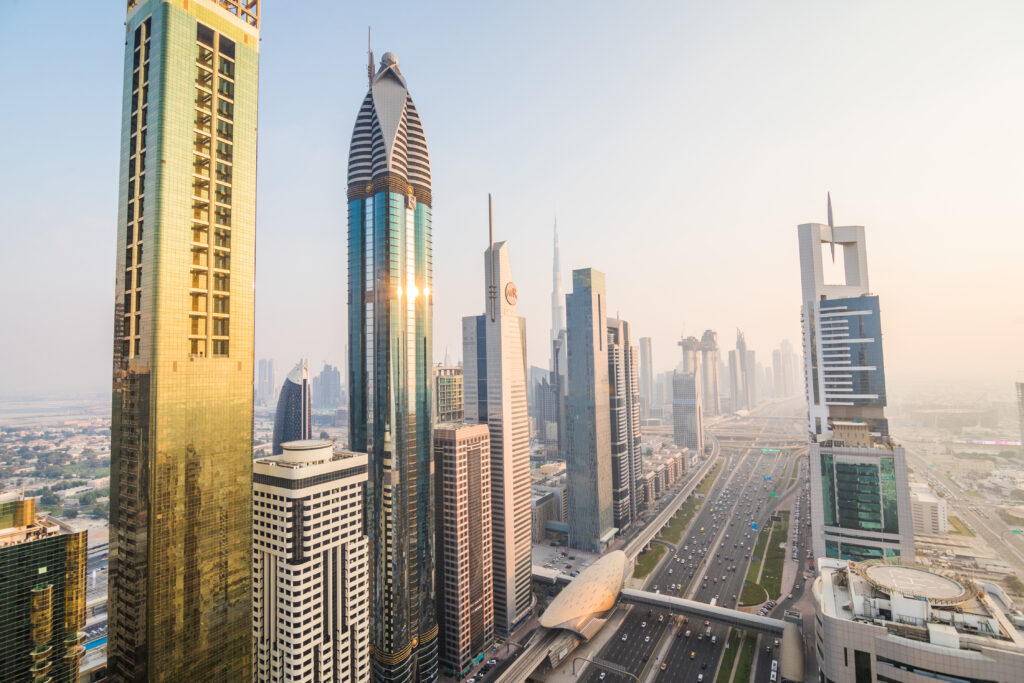
Dubai Property Market has a Longer Memory
Once a project moves beyond launch and into lived reality, pricing begins to respond to a different organic market demand. This is where the market becomes less forgiving; Dubai’s population growth and corporate movement continue to support housing demand, particularly in well-connected areas. You feel it in villa communities, where families settle in, schools fill up, and renewal conversations happen more than move-outs.
That kind of stability creates a quiet floor under pricing. At the same time, buyers today are far more measured than they were in previous cycles. There is less impulse and more comparison; projects that don't align, whether due to weaker delivery histories, compromised layouts, or overpromised amenities. They just move more slowly, and in this market, speed matters. Areas like Downtown Dubai or the Palm Jumeirah behave differently, not because of marketing but because of scarcity and global attention. Global buyers are not always comparing across Dubai; they compare globally. When they decide on a location, they tend to commit, creating a micromarket where pricing holds stronger than the city average.
Resale is Where Pricing Becomes Honest
There is a noticeable change when a property enters the resale market; the developer’s narrative fades, and something more grounded takes over. Sellers begin competing with other sellers, not with launch expectations, and buyers come in informed. They have viewed multiple units, tracked listings and consulted with brokers, which makes negotiations much sharper and direct. When a property is priced correctly from the start, the resale process usually goes smoothly. Units move within a reasonable timeframe, and asking prices hit their targets without much pushback. However, if the initial price does not reflect market reality, adjustments are inevitable. These changes are not sudden; instead, they show up as a gradual realignment. Key signs include listings staying active longer, subtle price drops, and sellers becoming more open to concessions. While formal reports eventually document these trends, you can usually feel the change much sooner through local conversations and the general mood within the community.
Dubai’s Leading Real Estate Developer Companies in Dubai
Here are the powerful developers that set the market floor for Dubai:
While over 200,000 homes are scheduled for delivery in 2028, typically only half reach completion on time. For 2026, this means roughly 40,000 units will actually hit the market rather than the planned 80,000. By spreading out these handovers, developers prevent surplus, which protects property values and keeps rental returns high for owners. To further boost prices, developers are increasing the building of branded residences linked to luxury names like Armani or Bugatti. These properties sell for up to 35% more than standard neighbours because their value is tied to the brand’s prestige rather than the local average. Additionally, by keeping the supply of villas and townhouses low, they ensure these homes stay rare and expensive, maintaining a strong floor for the entire market.
2026- 2028 Strategic Dubai Real Estate Market Outlook

FAQs:
Who controls Dubai real estate in 2026?
Both the buyer and developer's demand affect Dubai property prices, with the market deciding long-term value.
Why are launch prices so high?
Pricing reflects construction costs, branding, location, and future growth potential.
How do payment plans help sales?
Flexible plans make properties more accessible without a decrease in prices.
Why are some projects selling slowly?
Buyers now focus on value, quality, and reputation.
What is the 2026-2028 market outlook?
Experts are expecting a moderate price growth backed by a strong demand for properties
How Boli.ae Defines Property Value
After the launches, the positioning, and the carefully set expectations, pricing in Dubai comes down to one thing: what a buyer is actually willing to pay. This moment does not happen in a sales office; it happens in the market. This is where Boli.ae stands out. Instead of fixed asking prices, it creates a space where value is revealed through real buyer competition. You are not seeing what a property is listed for; you are seeing what it truly commands. In a market shaped by both developer and buyer behaviour, it sits at the point where the two meet; this is where pricing stops being theoretical and becomes a reality.