
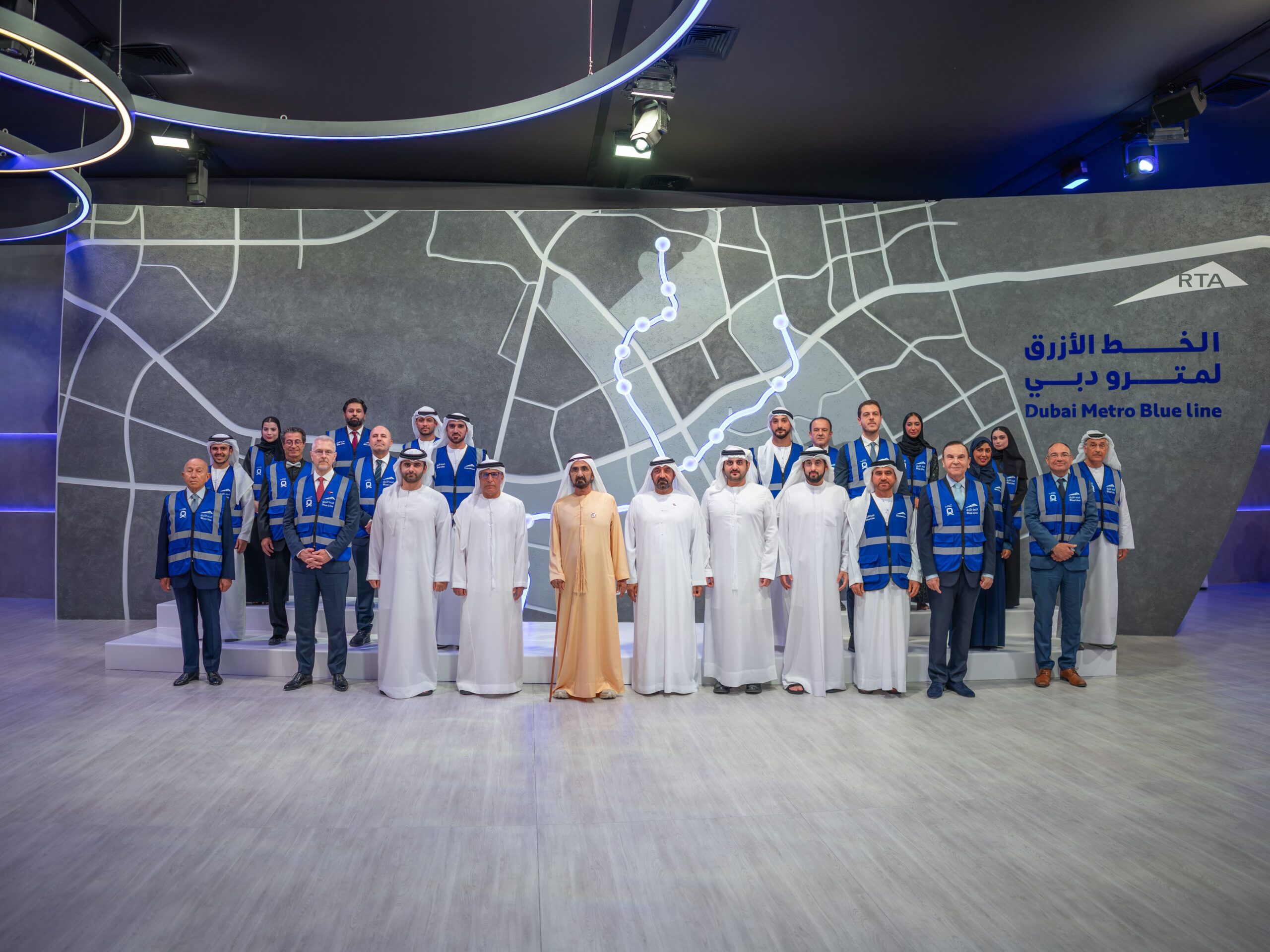
Sheikh Mohammed bin Rashid Al Maktoum Launches Dubai Metro Blue Line Tunnelling
We have been hearing how expanding Dubai's metro network will enhance the city's growth, as it is needed for residents in districts farther from the city’s centre had limited transit options, and developers eyeing those areas have to work harder to justify their value. But now, the conversation has changed in a significant way. His Highness Sheikh Mohammed bin Rashid Al Maktoum officially inaugurated the tunneling works for the Dubai Metro Blue Line on 3rd May, marking a concrete step forward in one of the most ambitious infrastructure undertakings the city has seen in recent years. The project carries a total investment of AED 20.5 billion, stretches across 30 kilometers, and is designed to serve nine vital districts home to an estimated population of around one million people. This is not just a transport upgrade, Boli.ae, as a digital real estate auction platform, sees it as a structural development in how Dubai grows, moves, and develops. Read ahead to understand how it upscales the city’s investor potential.
What the Dubai Metro Blue Line Covers
The Blue Line is not a minor extension added onto an existing route; it is an entirely new line built to connect districts that have sat outside the city’s main transit grid. With 30 kilometers of track and stations spread across nine key areas, the project brings public transport directly into communities that previously depended entirely on road networks. During the inauguration, Sheikh Mohammed also reviewed the architectural designs of the station entrances at the interchange station in Dubai International City 1, along with the interior designs of the metro stations across the line. This level of attention to design signals that the Blue Line is being developed with the full urban experience in mind, not just movement from one point to another, but the quality of that movement. The project sits firmly within the Dubai 2040 Urban Master Plan, a long-range framework that guides how the city expands its population capacity, infrastructure, and economic activity over the coming decades. Every kilometer of the Blue Line is, in effect, an extension of that plan made physical.
What is AL Wugeisha
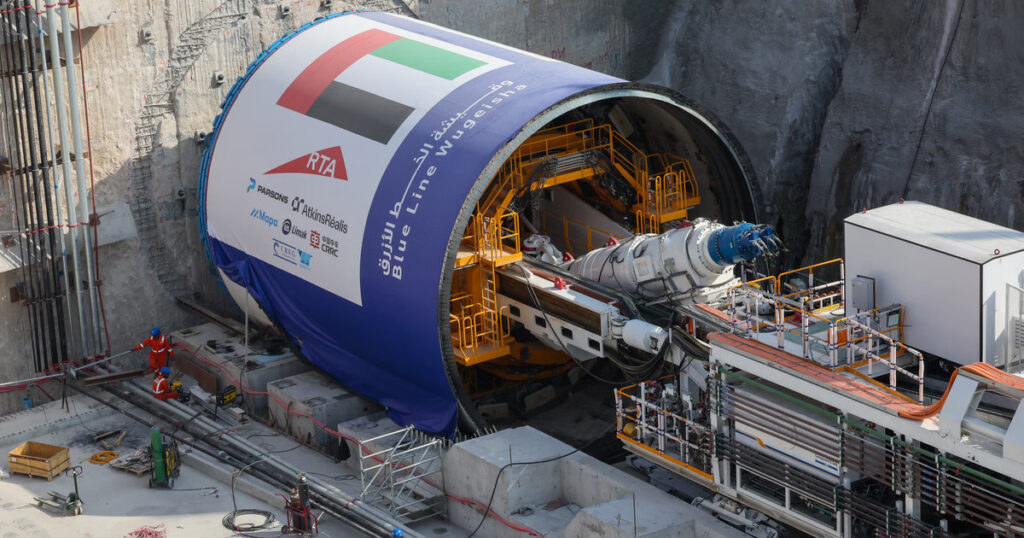
A significant milestone in the Dubai Metro Blue line project has been reached with the launch of the Tunnel Boring Machine (TBM) named AL Wugeisha. This signifies the start of underground excavation, where the project changes from planning into real construction. The TBM has begun its journey from International City 1 Station, heading towards Mirdiff, the Auto Market, and Al Warsan. These areas will connect through the new underground network, changing how they link to the rest of the city over time. Tunnelling is one of the most important phases in any metro development. Before this stage, years of planning, design, and ground surveys take place quietly in the background. Once the TBM starts moving, the planning turns into visible progress beneath the city.
Dubai Metro Blue Line Will Connect Nine Key Areas
When a project is launched to serve nine areas and a population of around one million residents, it is worth pausing to think about what that actually means in reality. Areas such as Silicon Oasis are likely to see increased footfall, enhanced connectivity, and a change in how accessible they feel to their residents. Typically, such areas that gain direct metro access will see changes in their appeal to residents and investors. People who have opted out of living in such areas earlier will reconsider them easily; businesses that are looking for affordable yet accessible places will certainly plan to open their corporate offices there. It is a pattern that has been implemented across Dubai's existing metro lines and in cities around the world that have explained rapid transit into previously undeserved areas.
Why This Matters Beyond the Dubai Infrastructure
Projects on such a scale can not be developed without a strong foundation. When AED 20.5 billion is invested in public transport, it not only creates a metro line but lifts the land and shapes communities. However, the Blue Metro Line raises a question: Which of the nine areas along the route still offers true value before their connectivity reflects their pricing? As construction progresses and timelines become clearer, the market will begin to adjust organically, bringing more focus to properties near the confirmed stations. If you are looking to invest in Dubai, then waiting for the Blue Metro line to be functional is not a wise move. We highly recommend that you explore what's available and start making informed decisions with Boli.ae, while the project is taking shape.
International City Metro Station
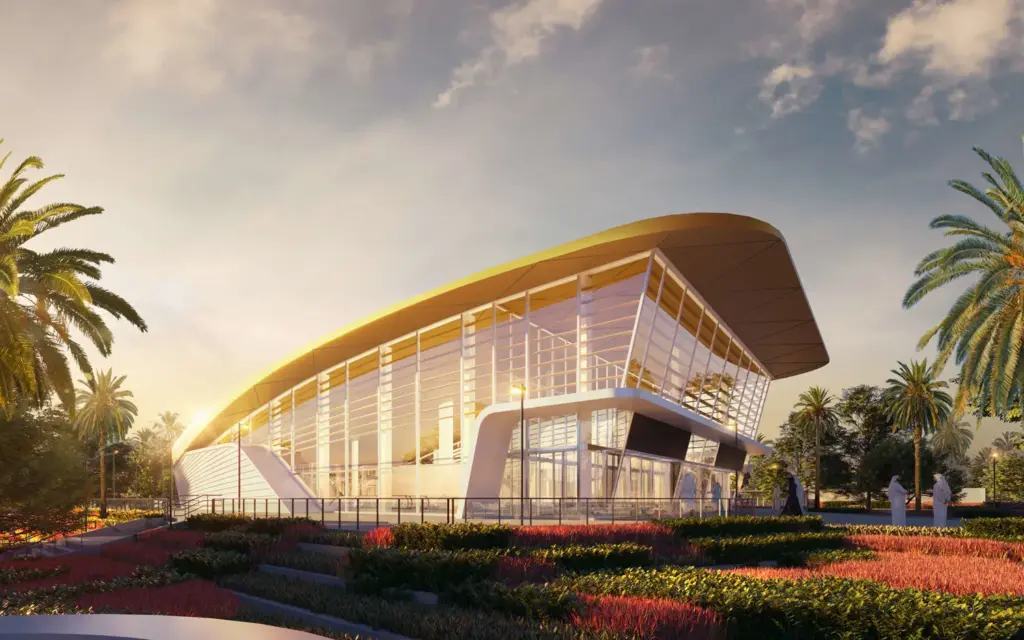
A certain area that needs our attention, following the announcement, is Dubai International City 1, which will host an interchange station on the Blue Line. Interchange stations like the existing Green line act as connection points between lines, meaning they attract consistently higher passenger volumes than standard stops. His Highness Sheikh Mohammed's review of the architectural designs for this station entrance proves that the development team is working hard to showcase it as a landmark point on the line. Interchange stations are likely to anchor surrounding development, because the flow of people through them is both higher and more consistent. An international city is known as an affordable residential investment and consists of diverse commercial activities. Keeping that in mind, this station adds a layer of long-term infrastructure backing that strengthens the case for property interest there.
What is the Dubai Metro Blue Line Completion Date
The Dubai Metro Blue Line is expected to open to the public on September 9, 2029. That puts the project into a clear construction window where the next few years will be all about visible progress on the ground. Tracks, stations, and surrounding works will gradually take shape across the route as the city moves towards completion. For residents and investors, this phase often matters more than the final opening itself. It is usually construction that you start seeing real changes in demand around the future station areas.
Key Property Statistics and Trends ( 2025-2026)
Dubai Real Estate Market Investment Growth
Dubai has never been a city that waits for the right time to grow. It moves first, then builds around that momentum. The Metro Blue line follows the same approach; work has already started underground, the designs are approved at the highest level, the key districts are identified, and the long-term plan is already in motion. The real window of opportunity is right now, before the project is complete. This is usually when the most informed decisions are made. Whether someone is looking at areas along the Blue line, trying to understand what new interchange stations could mean for nearby communities, or simply tracking how this fits into the city’s wider development story, it makes sense to pay attention at this stage, not after everything is fully delivered. With Dubai changing quickly, the real question is whether you are keeping up with that change. Interested in exploring property opportunities in the growing districts? Visit Boli.ae to browse listings. Track live auctions and find your entry point into one of the world’s most valuable real estate markets.